That photo might be an AI fake, here’s how to tell




 Bing and ChatGPT
I need your help: Add Komando.com as a preferred source on Google
Did Prince William and Prince Harry make up?
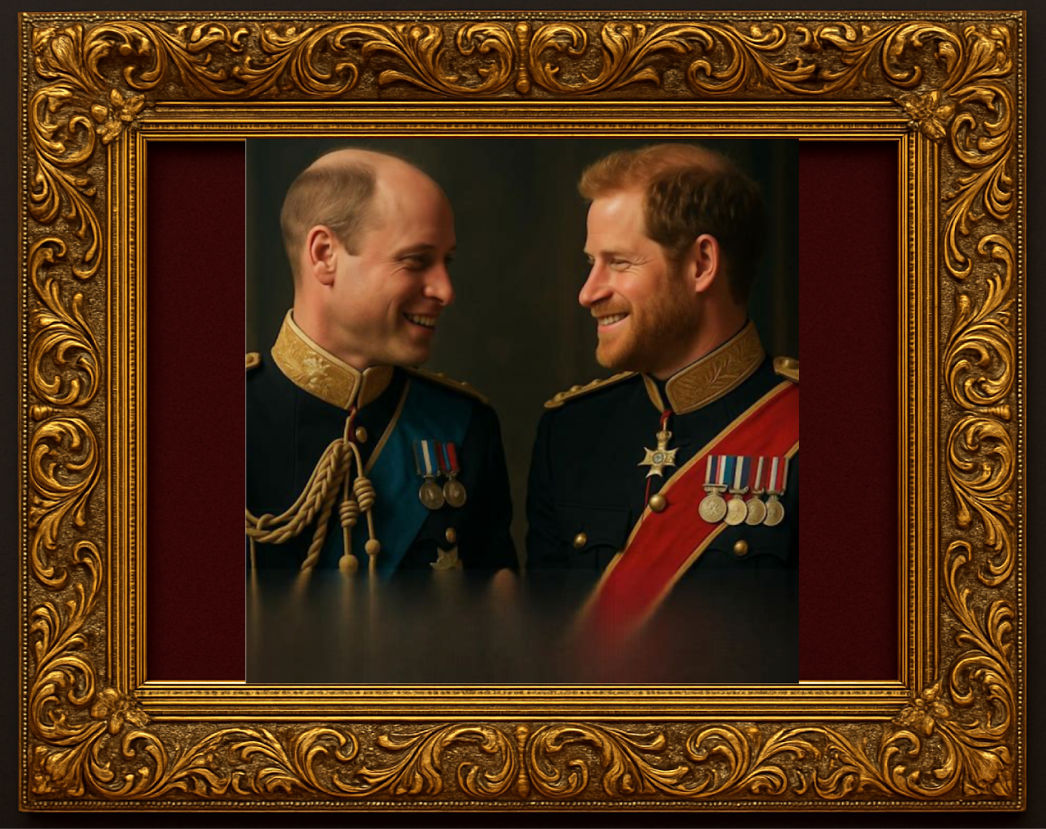
Not even close. But thanks to Bing’s AI image generator, they practically skipped through a meadow hand in hand like it’s the finale of a very weird British rom-com reboot. No Daddy intervention, therapist or overpriced raspberry jam required.
To get around Bing’s copyright controls, I didn’t use their names. Here’s the prompt: “Two brothers in their 30s, holding hands, gazing lovingly, dressed in royal military uniforms. One’s bald, one’s a redhead. Cinematic lighting. Photorealistic. 16:9 ratio.”
And yeah, the photos are one pixel glitch away from joining the cast of The Polar Express.
If I had time, though, I could make them look very real. With scams on the rise and fake news everywhere, spotting phony photos is a superpower you need. So let’s talk about how you can do it first with a little help from tech.
🔍 Tools see through the fakery
Sure, you should still do a good ol’ reverse image search. But today’s AI tools are getting scary smart. The image might be brand-new and never have existed on the web before. That’s when the next-level detection comes in.
Meet these AI detectives:
- DeepFake-o-meter: Upload a photo or video, and it’ll scan it with multiple detection models to tell you how fake it might be. I got a “server busy” message testing my princes’ image.
- Sightengine: A behind-the-scenes powerhouse that spots digital tampering, even if the naked eye can’t. It gave me 99% that the princes were fake.
- Hive’s AI-generated image detector: Used by major media outlets to tell if that photo of the pope in a Balenciaga jacket is AI (Spoiler: It was). Yup, the princes are 99% AI foolery here, too.
These tools aren’t foolproof, but they’re your best shot at sniffing out the phonies. It’s like using a blacklight at a hotel: Once you see what’s there, you’ll never trust blindly again.
🚨 Red flags to watch for
You don’t need fancy tools to start spotting fakes. Your own eyes can still catch some classic tells:
- Hands and fingers: AI still struggles with hands. Look for too many fingers, weird fingernails or melting shapes.
- Eyes and earrings: AI often makes overly symmetrical faces with identical earrings, eyelashes or reflections. Real faces have flaws.
- Lighting issues: Do the shadows fall the wrong way? Is someone’s face lit up but there’s no light source?
- Backgrounds: Look for distorted text, strange street signs or weird repeating patterns.
- Skin texture: Overly smooth, plastic-looking skin? That’s your cue to take a closer look.
Quick tip: If you see something suspicious spreading on social, don’t just scroll past. Tap the three dots and Report it, especially on Facebook, Instagram or X (Twitter). You could stop the next big fake from going viral.
🎨 Did you hear that Harry is taking up painting full-time after stepping down from the royal family? He’ll be the artist formerly known as Prince. (Yea, that was one of my better ones!)
🫡 Got that smile (or smirk) going? Good, now hit the share icons below to post this must-know info on your social, or send it to someone who needs to see it.