

May 29, 2026





Your credit card will refund a price drop, but you have to ask
The average cardholder leaves $300 to $500 in unclaimed benefits on the table every year. One prompt finds the money in five minutes.
The average cardholder leaves $300 to $500 in unclaimed benefits on the table every year. One prompt finds the money in five minutes.
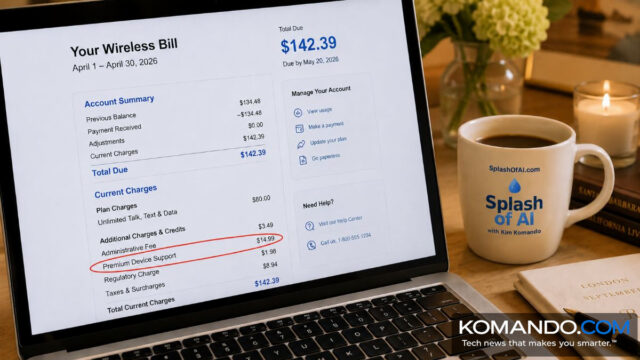
It’s called cramming. Third-party companies slide $3 to $15 a month onto your phone bill, and the FTC says tens of millions of people pay it without knowing. You can get 90 days refunded tonight.
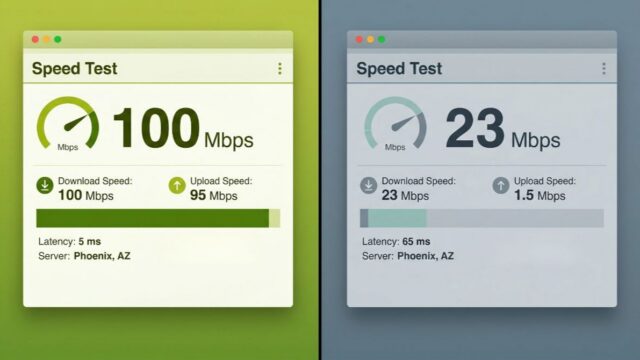
You pay for 100 Mbps internet but only get 23 Mbps. Your bill includes “premium Wi-Fi” that’s just a rental fee for equipment you could own. Internet companies bank on you never checking.

A better credit card match can earn $200 to $600 more per year than your current setup. This gives you the exact AI prompt to compare cards by your real spending, annual fees, reward caps, sign-up bonuses and the little traps hiding in the fine print.

The average American overpays $427 yearly on insurance. Companies recalculate your rates constantly but never lower them automatically. Here are the AI prompts that audit your coverage and give you the exact script to negotiate.
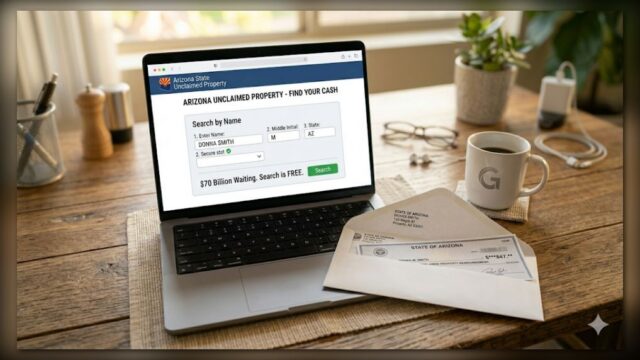
The National Association of Unclaimed Property Administrators says 33 million Americans have cash waiting at state treasuries. Almost 1 in 7 of us. My neighbor Donna collected an $847 deposit from a 1994 apartment. Here’s the exact AI hunt that finds yours.
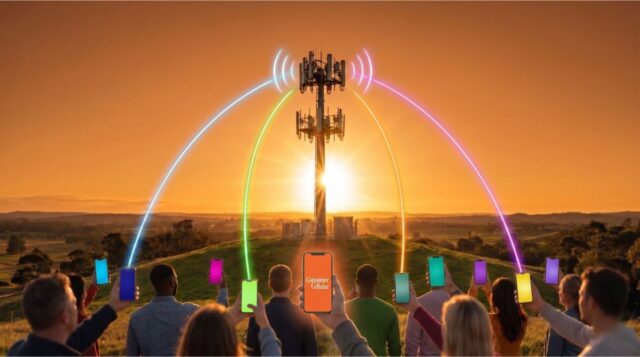
Mark from Colorado asked how Consumer Cellular can use the same towers as the big carriers. The answer is the open secret of the wireless world. Once you get it, your whole phone bill starts making sense.

Part of your retirement savings disappears every year with no bill, no notification and no explanation. There’s a document your employer is required to give you. Most people have never opened it.
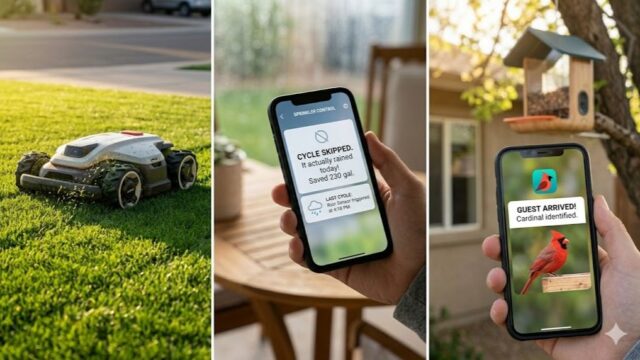
A wire-free robotic mower, a sprinkler that skips rain days automatically and a bird feeder with a camera that knows its birds. Spring just got smarter.
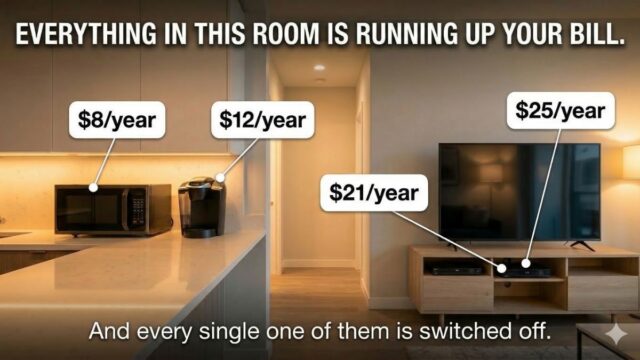
Your devices are draining electricity 24/7 even when you think they’re off. It costs the average household $100 to $200 a year. A quick, inexpensive fix stops it cold.

Apple, Amazon and others have paid billions in class action settlements. The problem? 91% of eligible people never file. Here’s exactly where to look and how to collect what’s yours.
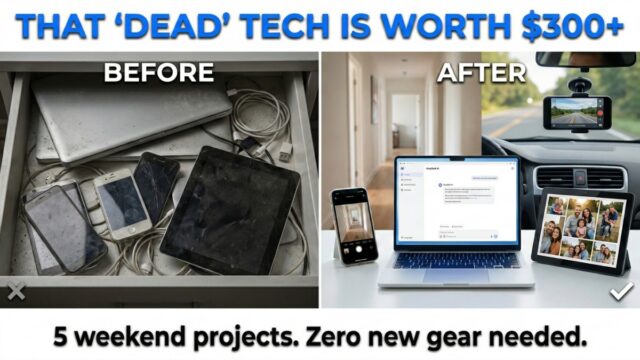
Everyone’s curious about DeepSeek but afraid to install Chinese AI on their good computer. That old laptop is your answer. Plus four more ways your “dead” devices earn their keep.

Americans waste over $1,000 a year paying for services and tools that are completely free. Here’s what to cancel today.

Online banks pay way more interest and skip the annoying fees. But no branches, deposit limits and sneaky scams can bite you. Here’s what to know before you switch.
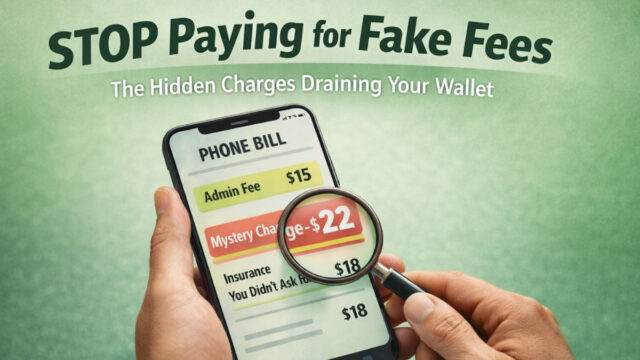
A “free” phone is often a three-year anchor designed to lock you into the most expensive data plans. Kim Komando uncovers the ghost subscriptions and insurance overkill costing you hundreds of dollars in hidden fees. Learn how to audit your statement and stop being a donor to the big carriers.

You can see your driving report like your credit history. Here’s how to check what insurance companies already have on you and what to do if it’s wrong.

From “zombie” app fees to streaming add-ons, read this money-saving guide from The Current to find the hidden charges draining your bank account.


This is the money-saving advice you deserved in school but never got. Threaten. Decline. Save money.
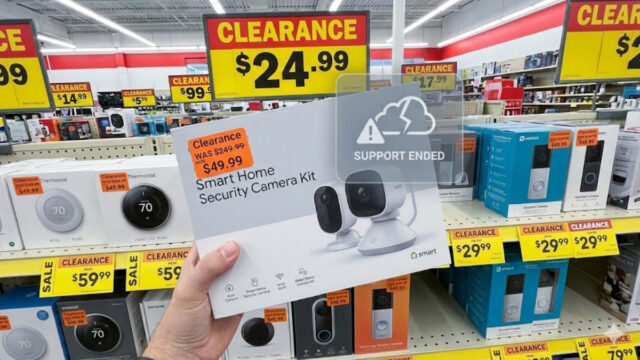
That $49 smart camera looked like a deal, until it forgot how to smart.