



Your GPS has been receiving secret military messages for 20 years
A security researcher proved every GPS satellite doubles as a Cold War-style “numbers station,” beaming encrypted Pentagon code to every phone, car and smartwatch on Earth.

Mark in San Diego test-drove the BYD Seagull in China and would buy one tomorrow. Kim breaks down the national security reason he can’t and the $200 billion American factory boom answering the challenge.
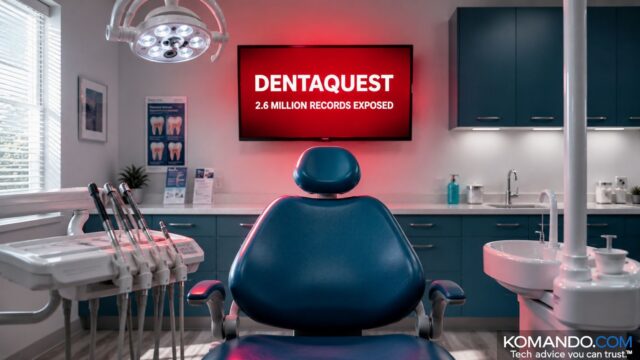
A hacker group called ShinyHunters broke into DentaQuest, one of the biggest dental benefits administrators in the country, and leaked 234 gigabytes of data after the company refused to pay. If you’ve ever been on Medicaid or Medicare Advantage, your name, address, birthdate, government ID and health insurance details may now be public. Here’s what to do right now.
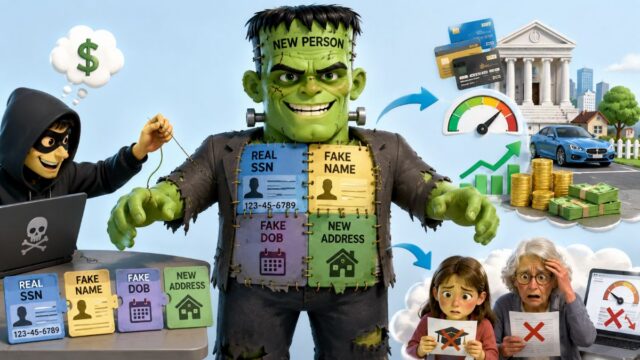
They take one real number, usually a child’s or a senior’s, glue on a fake name and birthday, then create a brand-new “person” who racks up credit and vanishes. You don’t find out until your file is wrecked. Here’s how to catch it.
That CPAP machine? It tells your insurance company whether you used it enough. And it’s not the only device in your house keeping score. Here’s what’s phoning home while you sleep and what you can do about it.
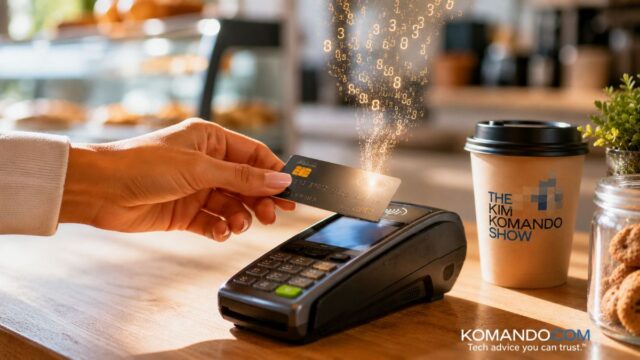
Tapping may feel less secure than the old swipe, but it’s actually the safest way to pay in person. Here’s the hidden trick your card pulls off in under a second and the one payment method you should quit today.
Those little cameras on the poles in your neighborhood quietly record every car that passes, then feed one giant searchable map. You never agreed to it, and the company behind them started flying drones that read your plate from 2,000 feet. Here’s what’s really happening.
One employee got tricked. One click. And nearly 6 million cruisers had their passport numbers, birth dates and licenses stolen. Here’s the 3-minute fix.
While the old supercomputer models were still guessing, an AI nailed Hurricane Melissa’s path days ahead of time. Here’s how it works, plus the free apps that put that forecasting power in your pocket today.
Two listeners thought they had backups. They didn’t. Here’s the difference that could save your photos, files and five years of memories.
A Bay Area mom lost thousands after AI cloned her daughter’s voice to fake a kidnapping. Everyone’s talking about the voice clone. Nobody’s asking how scammers knew exactly who to call.
Red Notice was savaged by critics. Netflix called it their most-watched film. Both things are true. Here’s the manipulation hiding in plain sight.
The group that hit Ticketmaster just targeted your internet provider. Here’s what was stolen, why Charter’s statement doesn’t add up and what to do before May 27.
You don’t have to wait for disaster. These are the warning signs and the free checks that tell you whether someone is living as you.
The Secret Service asked printer companies to embed invisible tracking dots on every page, starting in the 1980s. The dots reveal your printer’s serial number, the date and exact time of printing. The program never stopped.
A man’s phone rang for a month straight after Google’s AI handed his number to anyone who asked. Here’s the data broker pipeline that made it happen, and the only move that protects you.
A passport pic on your phone sells for $600 on the dark web. Your photos contain GPS coordinates, faces, license plates and the inside of your house. The five photos to delete tonight.
Most cars sold since 2018 are basically smartphones with seats. And 8 out of 10 used cars still have prior owners’ data sitting inside. Punch in your VIN and see yours.
Texas sued Netflix for secretly tracking your family’s every click and handing the data to strangers. Here’s exactly what got collected, how dark patterns kept you hooked and what to do about it right now.
His wife overheard the CEO of a tiny Virginia startup wanting a voice for new software. She volunteered her husband. He recorded four phrases on a cassette deck in their living room. AOL paid him $200. The phrases? “Welcome.” “You’ve Got Mail.” “File’s done.” “Goodbye.” Three of those words became the soundtrack of the early internet. And the man behind them? You’ve never heard his name until now.