



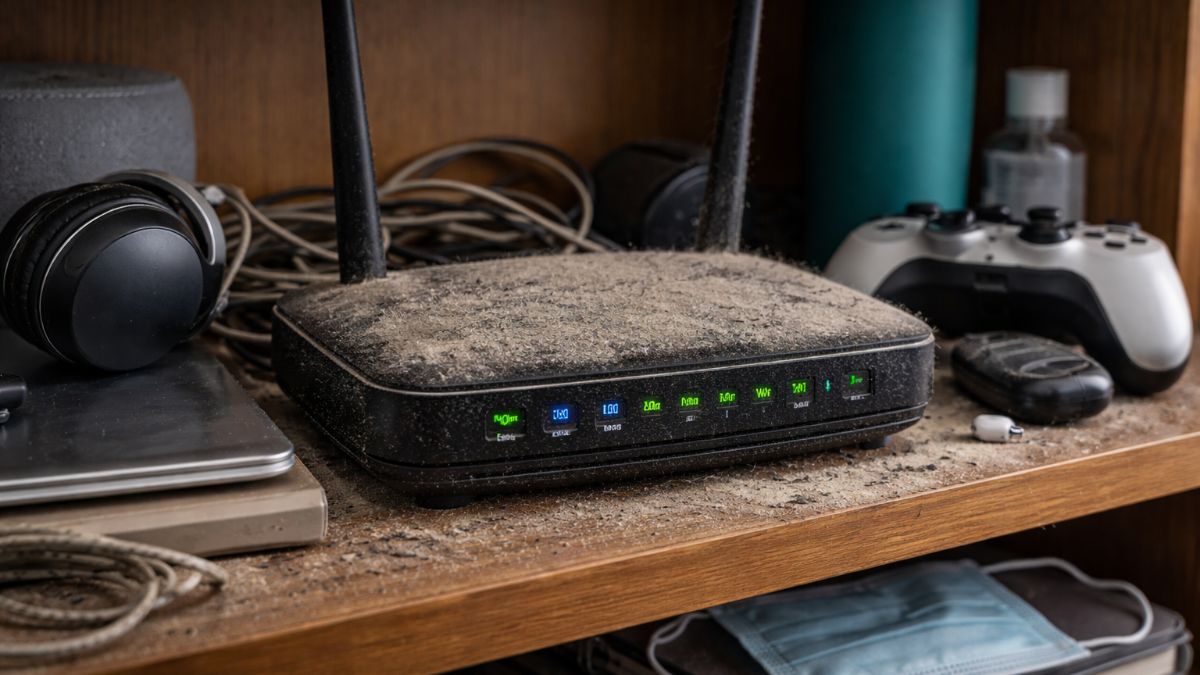
There’s a device in your home running 24 hours a day that you probably haven’t thought about since you or the cable guy set it up. It connects everything you own to the internet. Your phone. Your laptop. Your smart TV. Your baby monitor. And there’s a very good chance it stopped getting security updates years ago.
Your router has an expiration date. Most people have no idea.
⚠️ Here’s what ‘expired’ means
Router manufacturers push out security updates to fix vulnerabilities as hackers find them. But they don’t do it forever. Most routers get patches for three to five years, then the manufacturer moves on. No announcement. No warning light. The router keeps blinking like everything is fine.
It’s not fine. An unpatched router is the single most common entry point for home network attacks. And it isn’t only me saying this.
On March 23, the FCC officially declared foreign-made routers a national security threat and banned new ones from being sold in the U.S. Their exact words: Hackers are “leveraging vulnerabilities in small and home office routers to carry out direct attacks against American civilians in their homes.”
About 60% of routers in American homes were made in China. The average American keeps their router for seven years. Do the math. More about that below.
🔒 Check yours now, takes 2 minutes
Open your browser and type 192.168.1.1 into the address bar. That’s your router’s settings page. Look for a sticker on the bottom of your router for the default username and password.
Can’t find it? Don’t go digging through ad-filled websites. Open ChatGPT, Claude or Gemini and type this prompt:
“What is the default username and password for my [brand] [model number] router?”
You’ll get the answer in seconds. Once you’re in, look up your model on the manufacturer’s website. Install any firmware updates. If the last security update was more than three years ago, you’re overdue for a new router.
🇺🇸 Go USA
The best non-China options are ASUS routers (25% off, $300, made in Taiwan) and Ubiquiti ($302, from a U.S. company). Both receive regular updates, and either is a far better choice than whatever dusty box is running your home network. By the way, Starlink routers are made in Texas.
FYI, your internet provider’s rental router is almost always outdated, too. Buying your own is smarter and cheaper long-term.
One device. Every password. Every bank login. Every photo. All of it flowing through a box you forgot you owned. Check it today.
📩 Send this to someone who is still using the router from their last apartment. That thing is practically a welcome mat for hackers.
We may earn a commission from purchases, but our recommendations are always objective.